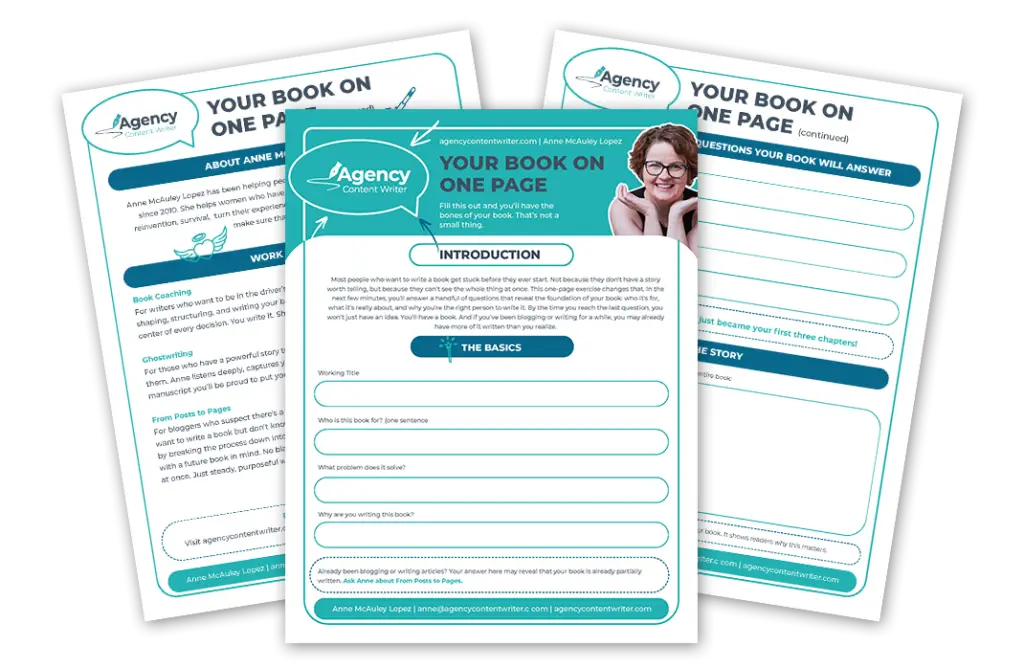


You know you have a book in you. Maybe your audience keeps asking, “When is your book coming out?” or you feel that nudge every time you step off a stage or leave a client call. The question is not if you should write a book. The real question is who should help you: a book coach or a writing group. Both can help you get words on the page, but they serve very different roles. For thought leaders, speakers, and business professionals who want a clear, publishable manuscript, the choice matters.
This guide will help you understand the difference, spot the signs you need a book coach, and decide whether a writing group alone is enough for your goals.
Book Coach or Writing Group: What Is the Real Difference?
Think of a book coach as a personal trainer for your book. A good nonfiction book coach helps you clarify your idea, shape the structure, keep a steady writing schedule, and move your project from concept to completed manuscript. In addition to strategic guidance, you get targeted feedback, accountability, and a plan that matches your life and business.
In contrast, a writing group is more like a gym membership. There is community, encouragement, and shared space to write. You may get feedback, though it is usually from writers at different levels with different goals. The focus is often on pages rather than your complete book strategy. The Charlotte Mecklenburg Library offers writing workshops, which are a great place to start, though you may need more.
Meanwhile, some book coaches, like the Charlotte-based team at Agency Content Writer, also work as book ghostwriters when clients prefer a done-for-you approach. That is a very different level of support than a casual group that meets once a month to share pages.
In short:
- A book coach focuses on your book, audience, and goals.
- A writing group focuses on writing together and sharing work.
Both can be valuable. Ultimately, the right choice depends on where you are and what you want this book to do for your brand.
Signs a Book Coach Is the Right Fit
If you are a speaker, consultant, or business owner, your book is not a hobby project. It is part of your authority and marketing. In that case, a coach is often the stronger choice.
1. You have a message, but not a clear structure
You know your topic inside out, but when you sit down to outline, everything feels jumbled. A nonfiction book coach helps you:
- Define your core promise for the reader
- Organize chapters so the content builds on itself
- Decide what belongs in the book and what stays in your talks, blog, or course
This type of structural thinking rarely happens in a casual group setting.
2. You want a strategic book, not just more writing
A writing group can cheer you on to write more pages. A coach helps you write pages that support your business model, speak to the right audience, and fit your long-term goals.
For example, Agency Content Writer’s Book Coaching supports mid-career professionals who want a book that grows their credibility and leads to more speaking or consulting work, not just a book for its own sake.
3. You struggle to maintain a realistic writing schedule
Maybe you start strong, then client work takes over. A book coach works with your real life, not a fantasy version of your calendar. Together, you build a writing schedule that fits:
- Travel and speaking dates
- Client load and launch cycles
- Family and health needs
Then you have someone checking in, adjusting, and giving writing tips so you do not stall for months.
Check out my article How to Reset Your Writing Habit After Time Away.
4. You want professional-level feedback, not just opinions
Writing group feedback can be helpful, but it is often subjective. A coach looks at your book through the eyes of your reader, a publisher, and your brand. You get:
- Clear notes on what works and what confuses
- Guidance on tone, stories, and case studies
- Support to keep your own voice, rather than sounding like everyone else
If you would not crowdsource your business strategy, do not crowdsource your book strategy.
When a Writing Group Might Be Enough
Writing groups can be a good fit, especially in the early stages.
You may lean toward a writing group if:
- You are still exploring whether you even want to write a book
- You want low-cost accountability and simple writing prompts
- You enjoy the social side of writing and shared critique
For someone just trying to build a daily habit, a group can be a good start. You show up, write with others, and share pages. The pressure is lower, and the expectations are flexible.
A group can also work if your book is more personal and you are not concerned about using it as a lead generator or brand asset. Memoir writers, for example, often enjoy the emotional support and community of a group setting.
The limits appear when you:
- Keep revising the same chapters with no end in sight
- Get conflicting feedback from different members
- Leave meetings with no clear next step
At that point, you may find that you need someone who holds the whole project in view and can say, “Here is what we are doing next, and here is why.”
Quick Comparison: Book Coach or Writing Group
Use this simple comparison to check what matters most for your book.
| Factor | Book Coach | Writing Group |
|---|---|---|
| Focus | Your book, audience, and goals | General writing and sharing |
| Level of feedback | Professional, strategic | Peer opinions |
| Accountability | One-on-one check ins and clear milestones | Show up when you can |
| Structure and outline help | Strong support | Varies, often limited |
| Cost | Higher investment, higher return | Lower cost or free |
| Best for | Thought leaders, speakers, business authors | New writers, hobby projects, early drafts |
If most of your must-haves are in the book coach column, that is your answer.
Blending Support: You Do Not Have to Choose Only One
You are not locked into a book coach vs writing group as an either/or decision. Many professionals use both at different stages.
A common path looks like this:
- Work with a book coach to clarify the concept, create a detailed outline, and set a realistic writing schedule.
- Use a writing group as extra support to keep writing sessions on your calendar.
- Return to your coach for deep feedback, revision, and publishing guidance.
Some authors also partner with a book ghostwriter once the outline and stories are clear. This can work well for busy executives who can talk through ideas in interviews but cannot block large chunks of time to write.
How to Decide: Key Questions to Ask Yourself
Before you choose a book coach or writing group, sit with a notebook and answer these questions:
- What do I want this book to do for my business in the next 3 years?
- How much guidance do I want on structure and publishing, not just on pages?
- How often do I miss self-imposed deadlines without outside support?
- How comfortable am I sharing early drafts with a group, versus one trusted guide?
- What is my timeline for finishing a solid, professional manuscript?
Your honest answers will point you toward the level of support you need.
If your book is tied to speaking fees, corporate contracts, or your reputation as a thought leader, you likely need more than casual feedback and generic writing tips. You need a partner who treats your book like the strategic asset it is.
Ready to Talk Through Your Book Idea?
If you are serious about your book and want support from a human, not just AI outputs, this is the moment to get personalized guidance.
Agency Content Writer is led by a Charlotte, NC-based writer and nonfiction book coach who helps thought leaders, speakers, and business professionals move from “someday I will write a book” to a clear, publishable manuscript. Whether you need coaching, a done-for-you book ghostwriter, or help building a realistic writing schedule, you do not have to figure it out alone.
Next step: Schedule a free consultation to talk through your book idea, your audience, and your goals. Share where you are stuck, and explore whether coaching, ghostwriting, or another path is right for you.
You have the stories and expertise. With the proper support, your book can finally match the authority you already show in your work.